There’s a certain kind of exhale that happens in familiar spaces.The barbershop chair turning toward the mirror.The steady rhythm of a weekend run club.The group chat that’s been alive for years. Before anyone names it as mental health support, something regulating is already happening. Black community mental health often focuses on therapy, but for many Black folks, healing has never lived only inside therapy offices. It has always lived in community.
Why Community Matters for Black Mental Health
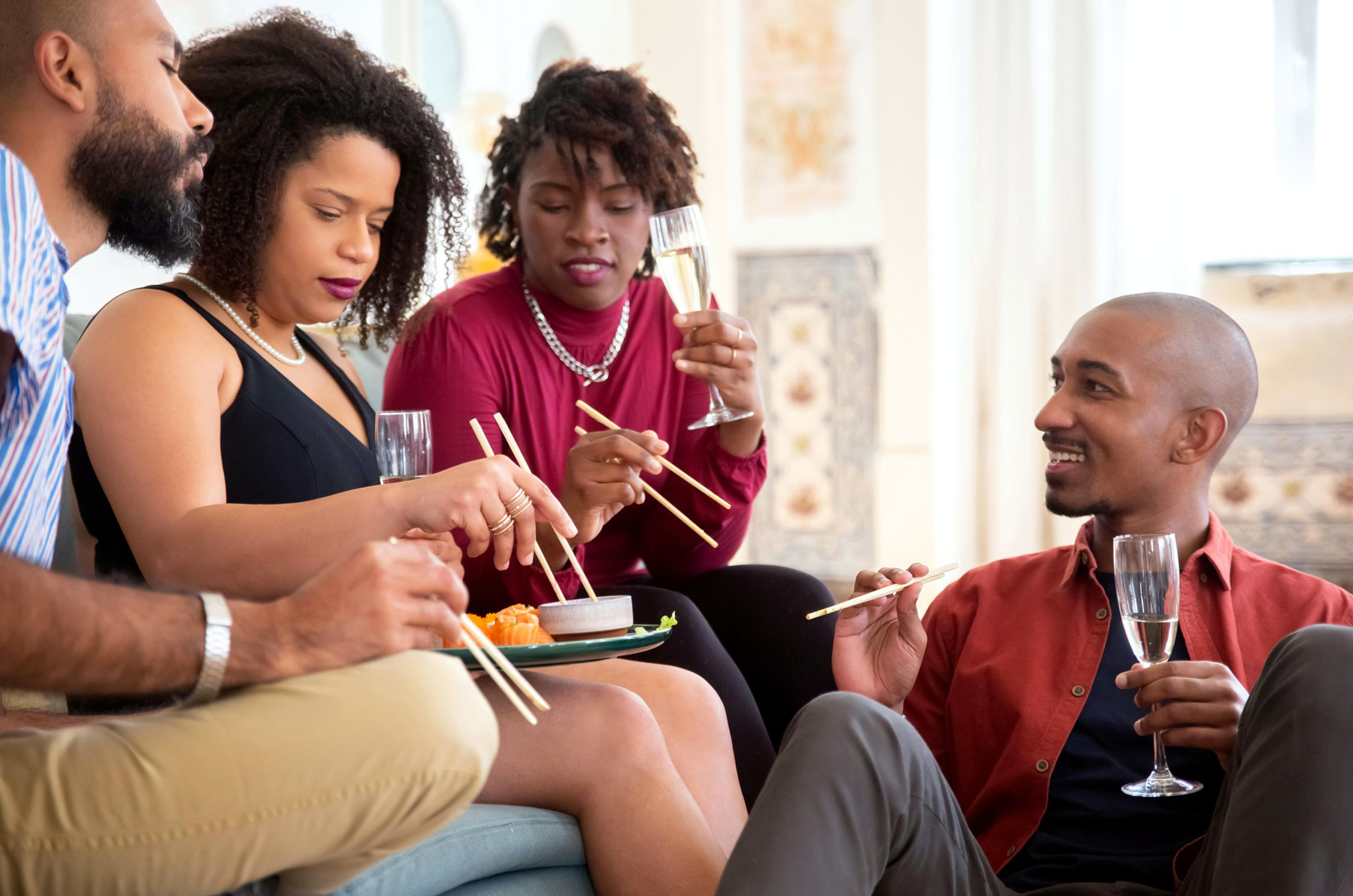
As Nekolas Milton, PsyD, a psychological associate at Deeper Than Color, explains, “We are social beings. We are communal beings.” Because of this, he encourages people to connect with others based on the activities they already enjoy. Spaces like barbershops, fitness groups, book clubs, and gaming communities often provide real emotional benefits: being seen, feeling understood, and experiencing belonging in ways that are culturally familiar and accessible.
At the same time, Dr. Milton also emphasizes that growth sometimes requires stepping outside our usual circles. Being “comfortable with being uncomfortable” might mean trying a new group, or joining a different kind of community.
Building Healthy Community Spaces
Dr. Milton also names something that can quietly undermine these spaces: competition and comparison. When we enter community environments sizing each other up or treating connection like a performance, the benefits shrink quickly. As he reminds us, not everything has to be a competition, and comparison can easily steal the joy that makes these spaces healing in the first place.
Part of using community well is being intentional about why you’re there and approaching these spaces as places for growth, learning, and mutual support rather than judgment or competition.
Community Support vs. Therapy: What’s the Difference?
Importantly, despite the social and emotional benefits of community groups, they are not the same as professional therapy. Dr. Milton highlights that one key difference is the directionality of relationships in non-therapy social settings. As he explains, friendships and communal spaces are typically bi-directional. Everyone shares and everyone supports one another.
Therapy, by contrast, creates a rare unidirectional space that is fully centered on you. As Dr. Milton puts it, therapy offers dedicated time where you don’t have to manage anyone else’s needs, perform strength, or balance the emotional exchange. For many individuals who are used to pushing outward and staying in motion, that kind of focused space can be transformative.
Black Community Spaces That Support Mental Health in Oakland and the East Bay
If you’re looking to put this community-building into practice Oakland and the East Bay offer many spaces where connection can happen organically. These aren’t replacements for therapy, but they can absolutely be part of your emotional care ecosystem:
- Oakland First Fridays is a monthly art walk and street festival centering Black culture, vendors, and community.
- Black Everywhere Oakland Meetup hosts social mixers, hikes, brunches, and cultural outings for Black professionals and creatives.
- Town Strides organizes weekly runs, group fitness classes and wellness events for Black people in Oakland